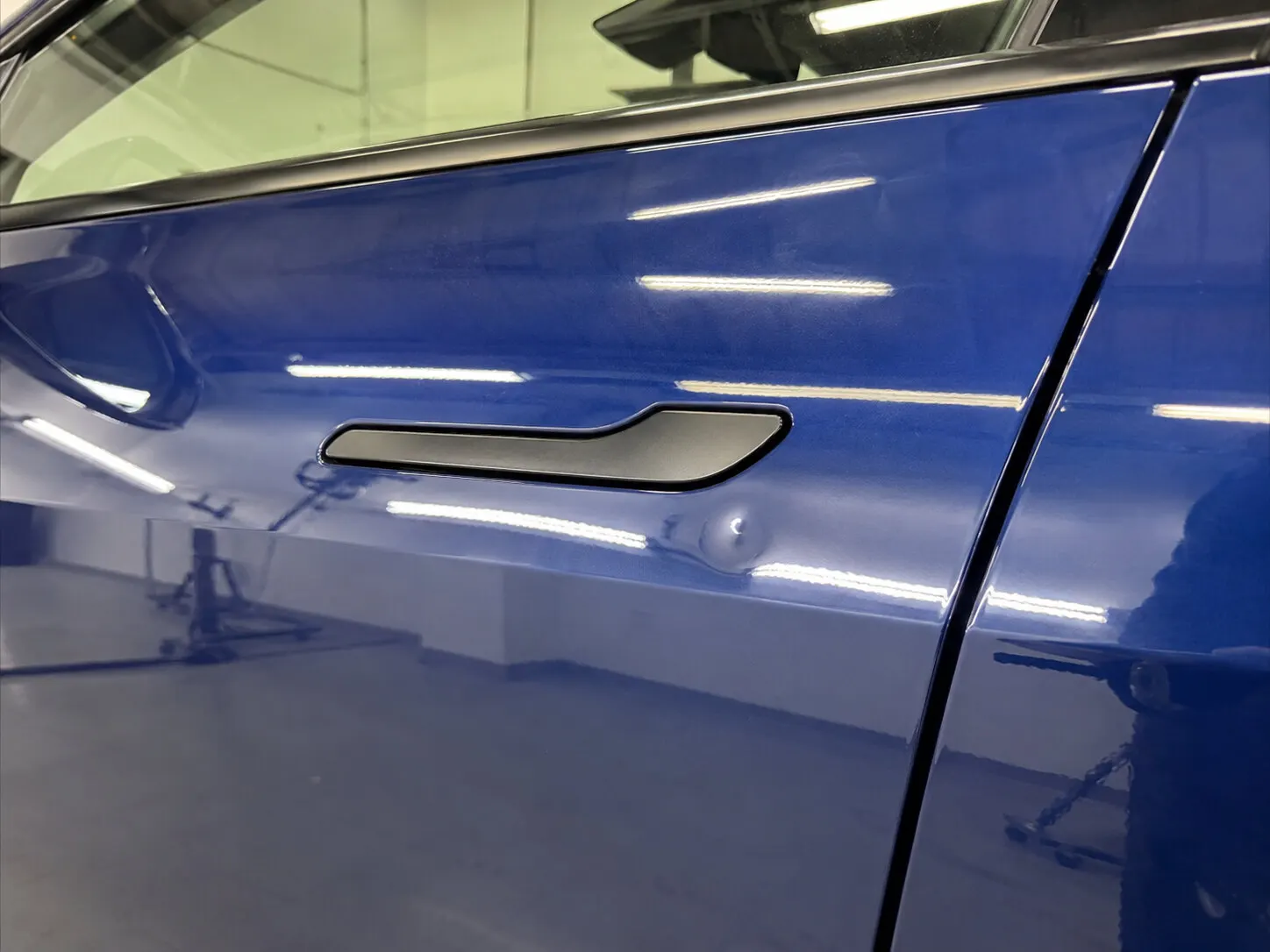
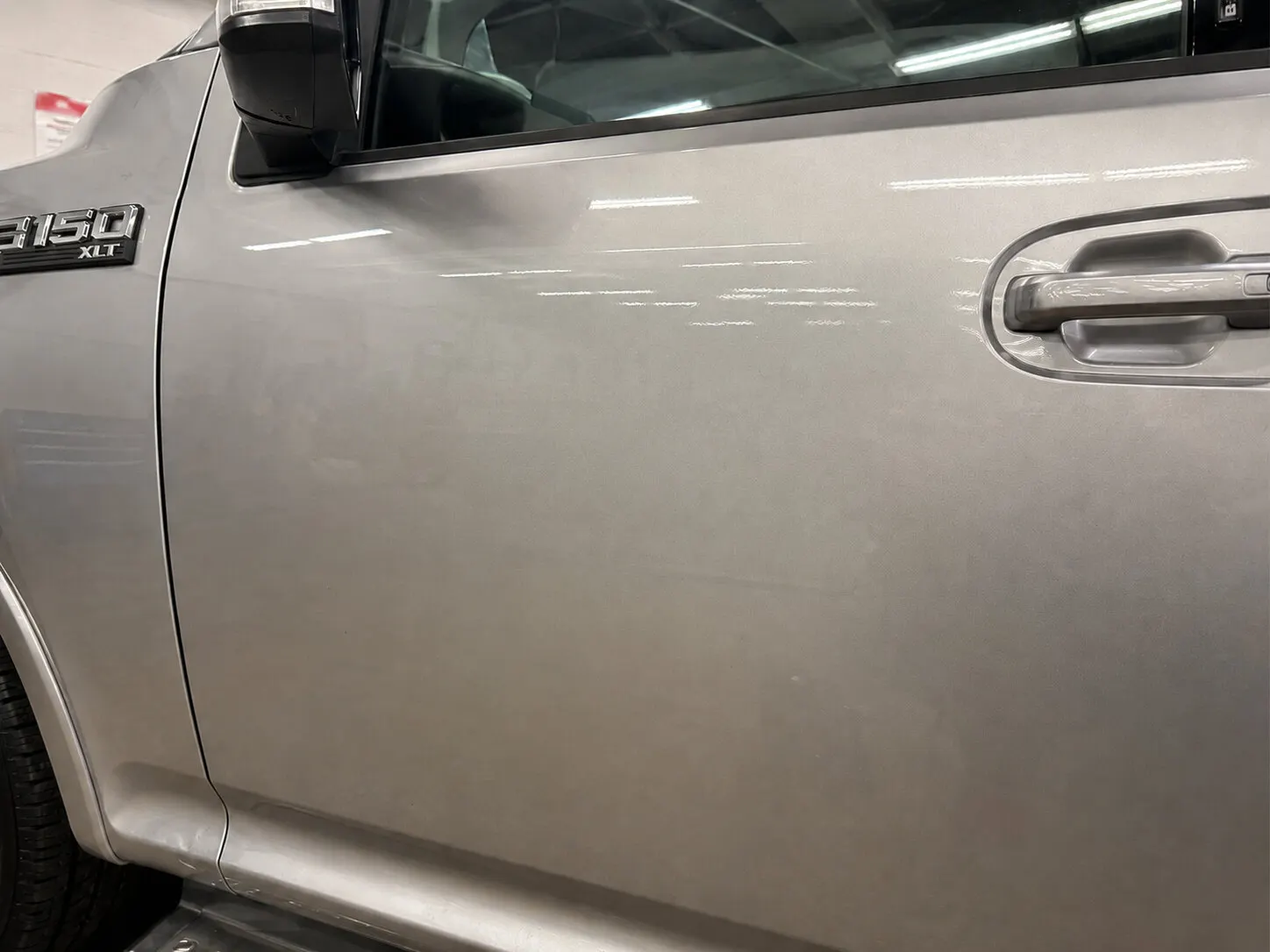
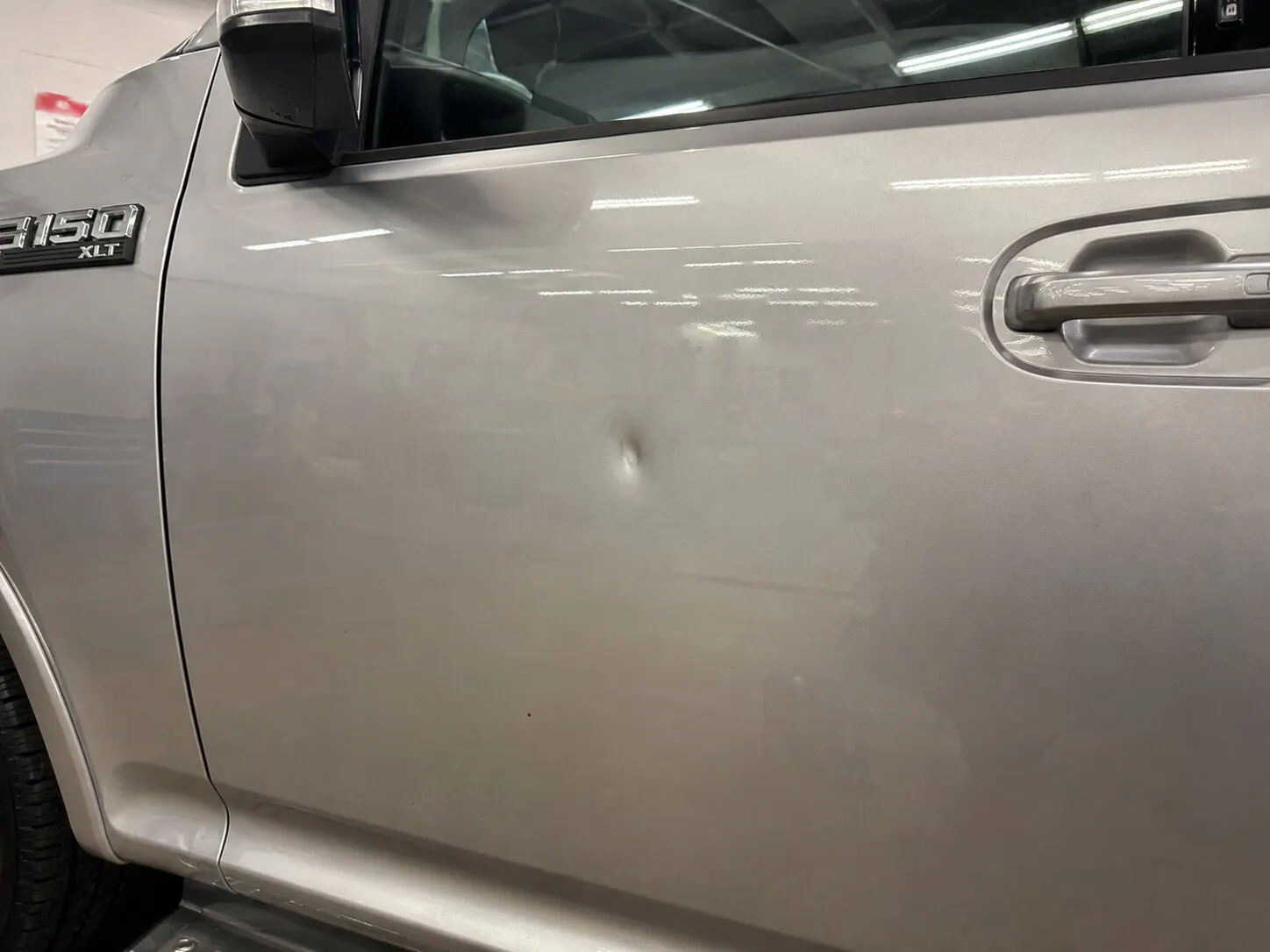
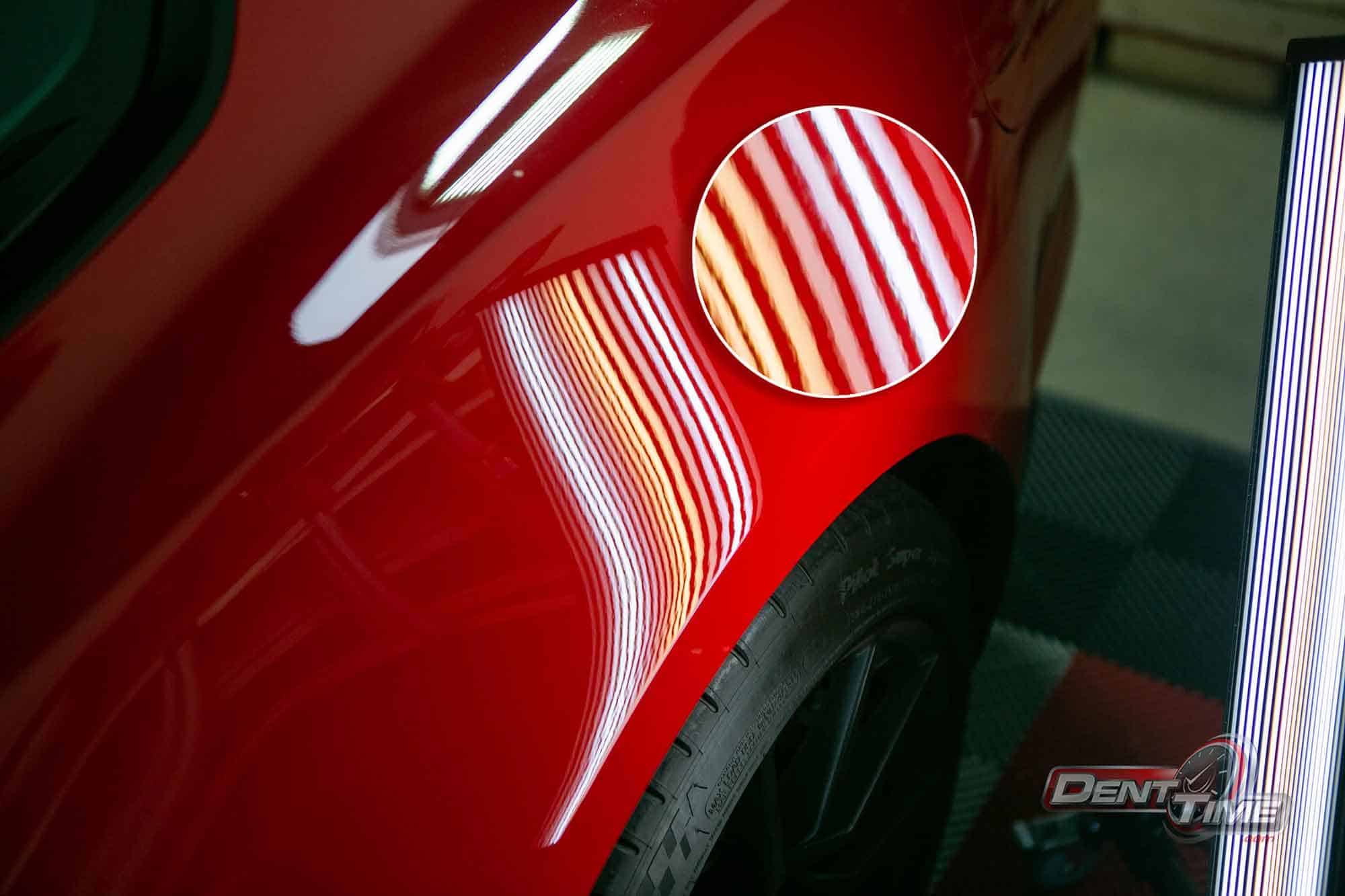
When the damage is big, everyone in the room has a reason to repaint your car. We are the reason it stays factory. Here is when to file, when to skip it, and how we keep your original paint either way.
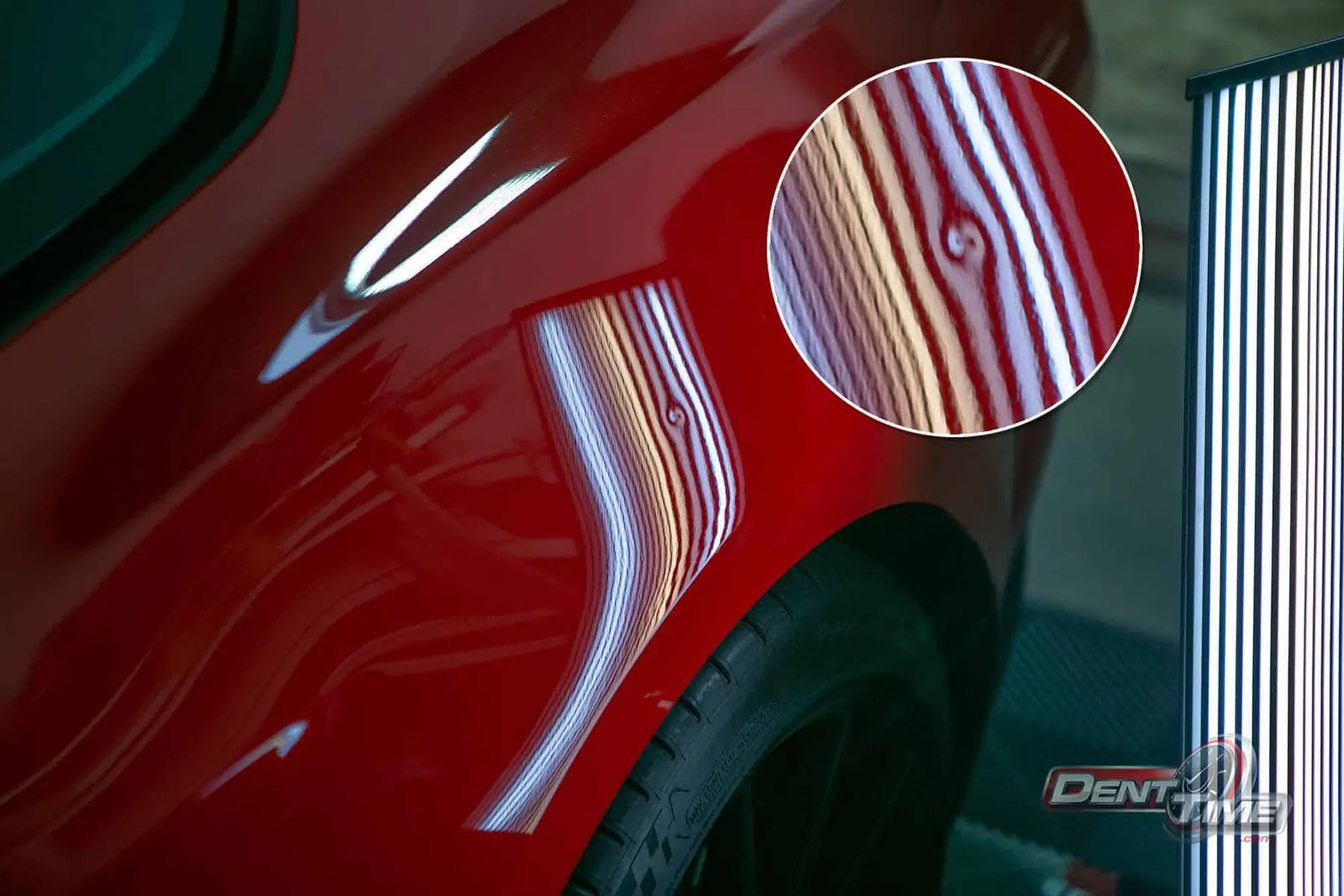
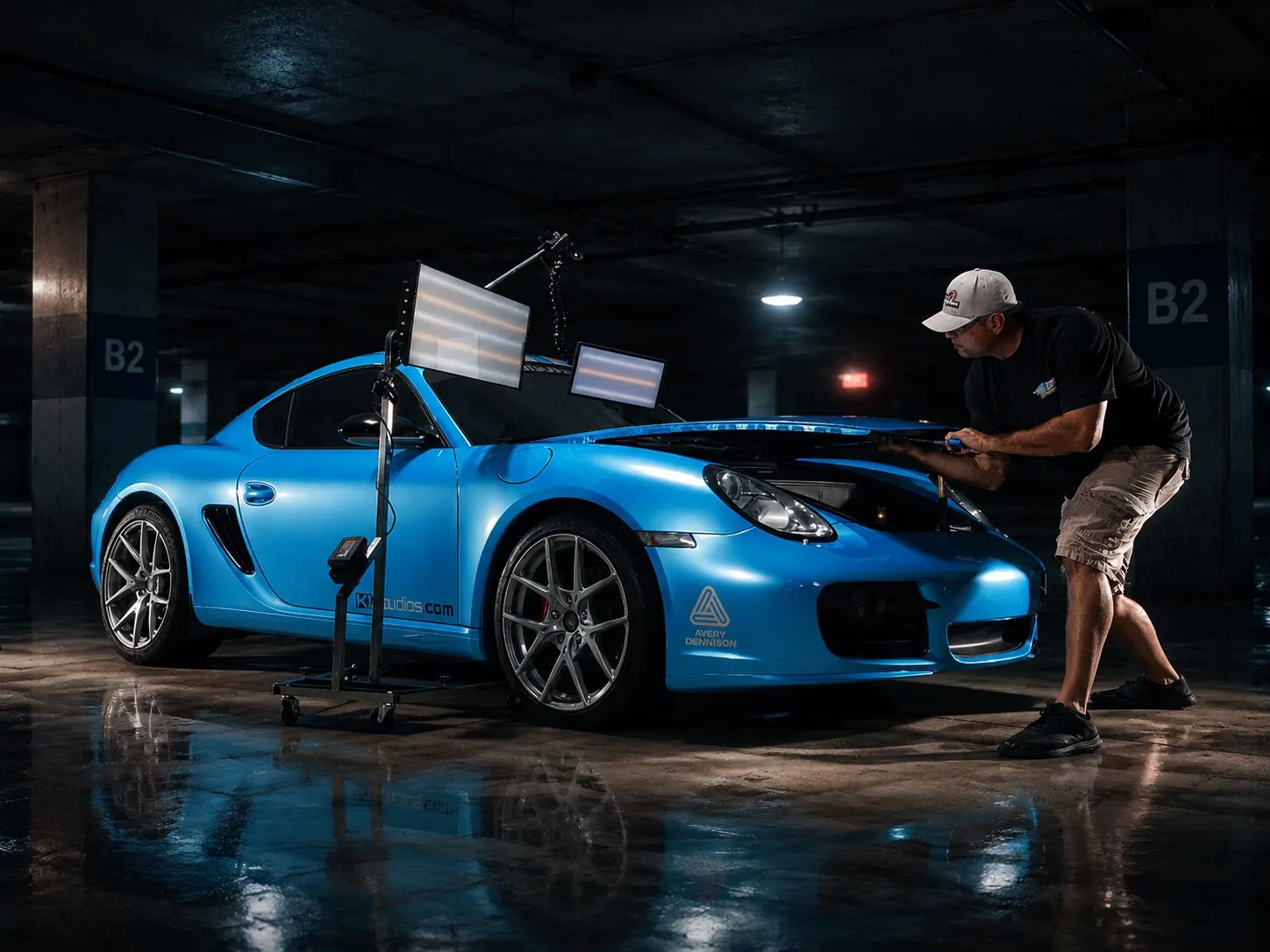
This is the work an adjuster is approving when they pay for paintless repair instead of a repaint. Tap WATCH.
Drag or use the arrows · tap watch for full screen
When the damage is big, the insurer wants the cheapest number and the body shop wants the check. Both roads end at a repainted panel, a paint-meter flag, and a note on your Carfax. You are the only one who wants it back to factory. So are we.
So, does insurance cover paintless dent repair? Yes. When the paint is intact, comprehensive coverage handles vandalism, falling objects, and hail, and collision coverage handles an impact. PDR is usually the repair the insurer pays for, because it costs less than a repaint, and it is the only one that keeps the paint your car left the factory with.
The claim is not the hard part. Making sure they fix it right is. That is the whole reason this page exists, and it is the whole reason it is worth picking the shop yourself.
One repair accounts for most of the claims we handle. Hail is priced by the storm rather than by the dent, and the total often runs several times a deductible, which is what makes it the clearest case for filing. If that is what you are looking at, start with hail damage repair and the numbers there.
Pick the line that fits your situation and get the straight answer for exactly where you stand.
Smart to slow down here. The biggest decision left is who does the work, because that decides whether you keep your factory paint or end up with a repaint, and whether the adjuster quietly underpays you. You are not required to use their preferred shop. That choice is yours, by law. Send us your claim details and we document the full scope, meet the adjuster, and fight to do it right.
Higher than your deductible does not automatically mean file. That is exactly the trap. Once you add the premium increase you pay back for years and the balance they often leave you, a claim under about $3,000 usually costs more than it saves. Run your number through the tool below, then send it to us and we will tell you straight whether to file or pay out of pocket.
It does. When the paint is intact, insurance pays for paintless dent repair under comprehensive or collision coverage, and it is often the repair they prefer because it costs less than a repaint. So the real question is not whether you can use insurance. It is whether you should. Here is how to know.
Move the slider to your repair estimate and pick your deductible. The verdict, the real trade-offs, and the part insurance hopes you forget all update as you go.
Here is the part insurance hopes you forget. A claim is not free money. The insurer earns it back from you in higher premiums for years, can refuse to cover the full repair and bill you the balance on top of your deductible, and decides how your car gets fixed. Pay out of pocket and it is over. Off your record, on your terms, with the factory paint kept.
A guide, not a guarantee. The real answer depends on your carrier and what is behind the panel. Send a photo and we will tell you straight.
A claim fixes the dent. A repaint creates a new problem that follows the car for years.
A refinished panel shows on a paint-depth meter, can land on the Carfax, and never ages quite like the factory paint beside it. On a trade-in or a sale, that one repainted door can quietly cost you four figures. The dent that started it was often a one-day paintless fix that left no trace at all. When we keep the original paint, we are not just fixing the dent. We are protecting the value of the whole car.
Diminished value is the money your car loses just because it was damaged and repaired, even when the repair looks flawless. Once an accident and a repaint land on the Carfax, dealers and buyers pay less for the exact same car. That loss is often bigger than the repair itself.
Here is how it happens. A body shop repaints the panel, the claim records an accident, and a paint-depth meter shows the refinished area for the life of the car. From that day on, your vehicle is worth less than an identical one that was never touched. On a late-model car that gap can run ten to twenty-five percent of its value, far more than the dent ever cost to fix.
Paintless dent repair sidesteps almost all of it. The factory paint stays, so there is nothing for a meter to flag. Paid out of pocket, there is no claim and no accident on record, so the Carfax stays clean. The cleanest repair is the one that never shows up, on the panel or on paper.
One more thing most people are never told. If another driver caused the damage, you may be owed diminished value on top of the repair, recoverable from their insurer. Few drivers ever claim it because no one points it out. Ask us, and we will steer you in the right direction.
Your insurer is a business, and its job is to spend as little as possible on your car. Not to restore it, not to protect its value, just to close the file for the lowest number it can. Here is how that plays out, so you can see it coming.
They say"Just use our preferred shop. It is faster and guaranteed."
What it meansThat shop is in their network because it agreed to the insurer's prices, their parts, and their timelines. It answers to them, not to you. The shortcuts that keep their cost down get taken on your car, and the guarantee they mention protects their bill, not your finish.
They say"We will use quality replacement parts."
What it meansAftermarket, and sometimes used, parts. Factory parts are the exception on a steered claim, not the rule. More often than not the panel bolted back onto your car was never built for it, and you would never have agreed to that if anyone had actually asked you.
They say"This is the amount we approved."
What it meansIt is the amount they are willing to spend, not what the repair actually takes. When doing it right costs more, the balance quietly becomes your problem. They would rather underpay and close the file than pay to restore your car the way it left the factory.
They say"You are covered, go ahead and file."
What it meansPlenty of drivers file for damage they never needed a claim for. They take the premium hike and the Carfax record, then end up with a repainted, aftermarket repair worse than if they had paid a PDR specialist out of pocket. Most never find out they did not need insurance at all.
Paintless dent repair gives them nothing to cheap out on. No parts to swap, no panel to repaint, no body shop deciding what goes back on your car. Your factory metal and your factory paint stay exactly where they are. Nothing aftermarket, nothing used, nothing for an adjuster to shortchange. By law in California the choice of shop is yours, not theirs, and steering you to one is against the rules even when it is dressed up as a friendly recommendation. Send a photo before you call them, and we will tell you honestly whether you even need to.
The deciding factor is the paint. If the paint is intact, paintless dent repair is usually the right call no matter how big the dent is, and it is the one that keeps your factory finish.
A claim does not have to mean a repaint. With paintless dent repair you keep your factory paint, your resale value, and a clean Carfax, all on your insurer's dime. You never have to choose between using your coverage and keeping your car original. You get both.
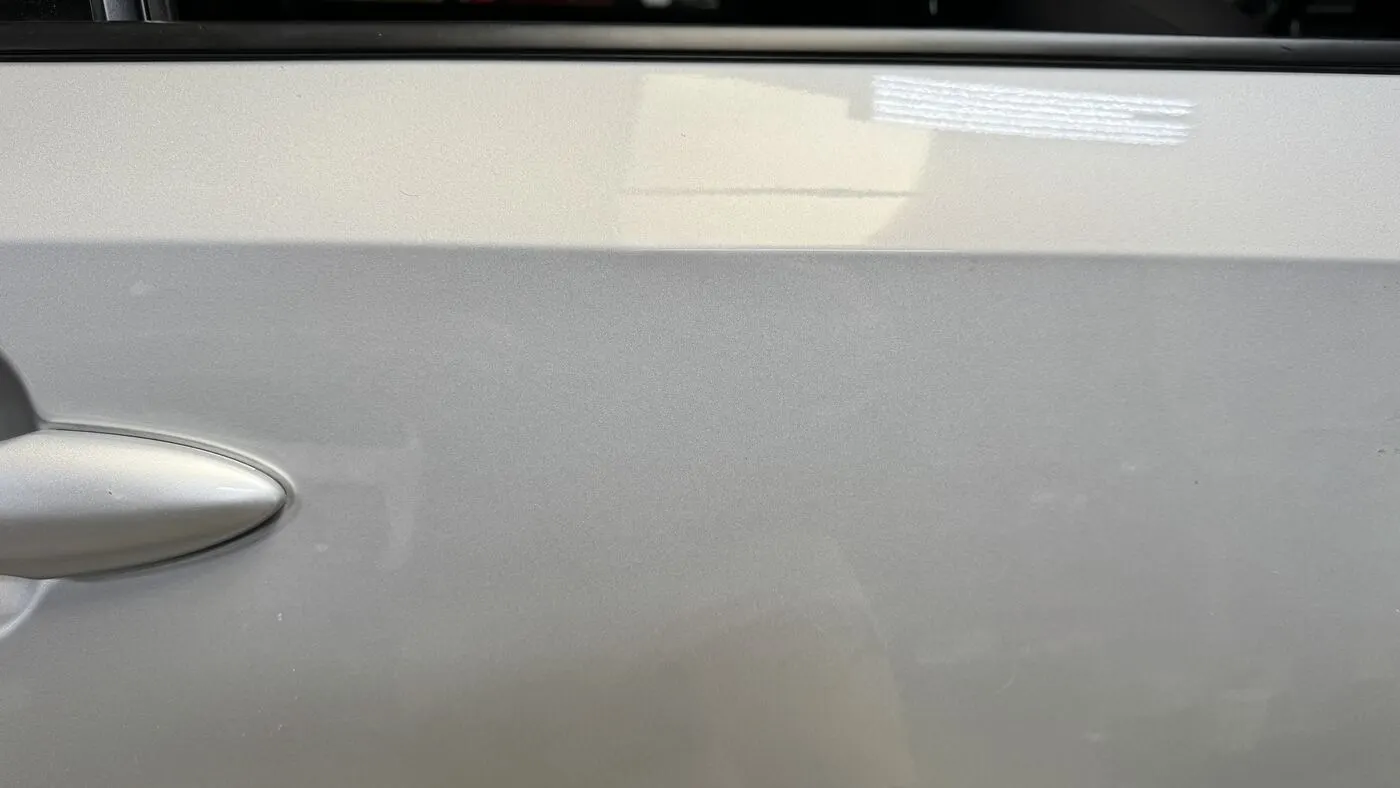
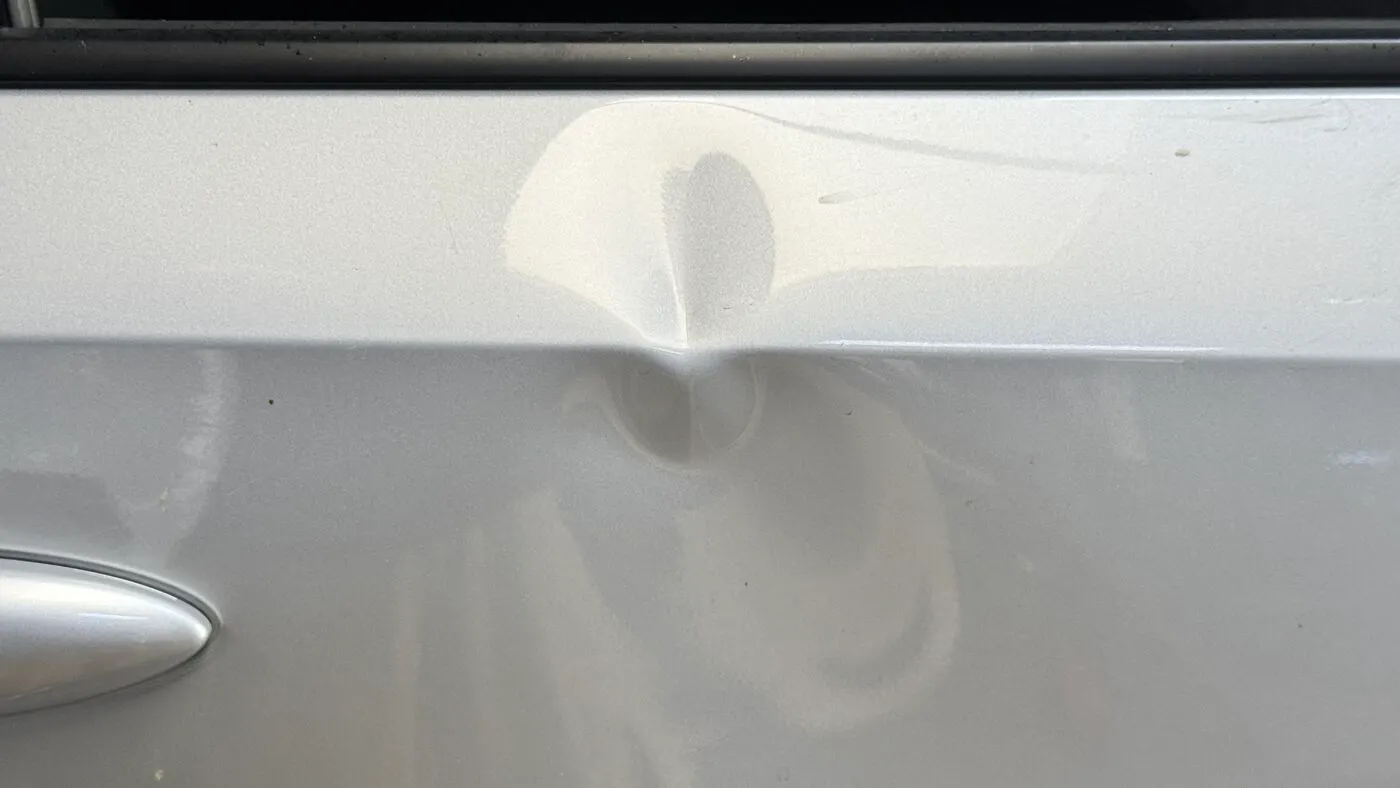
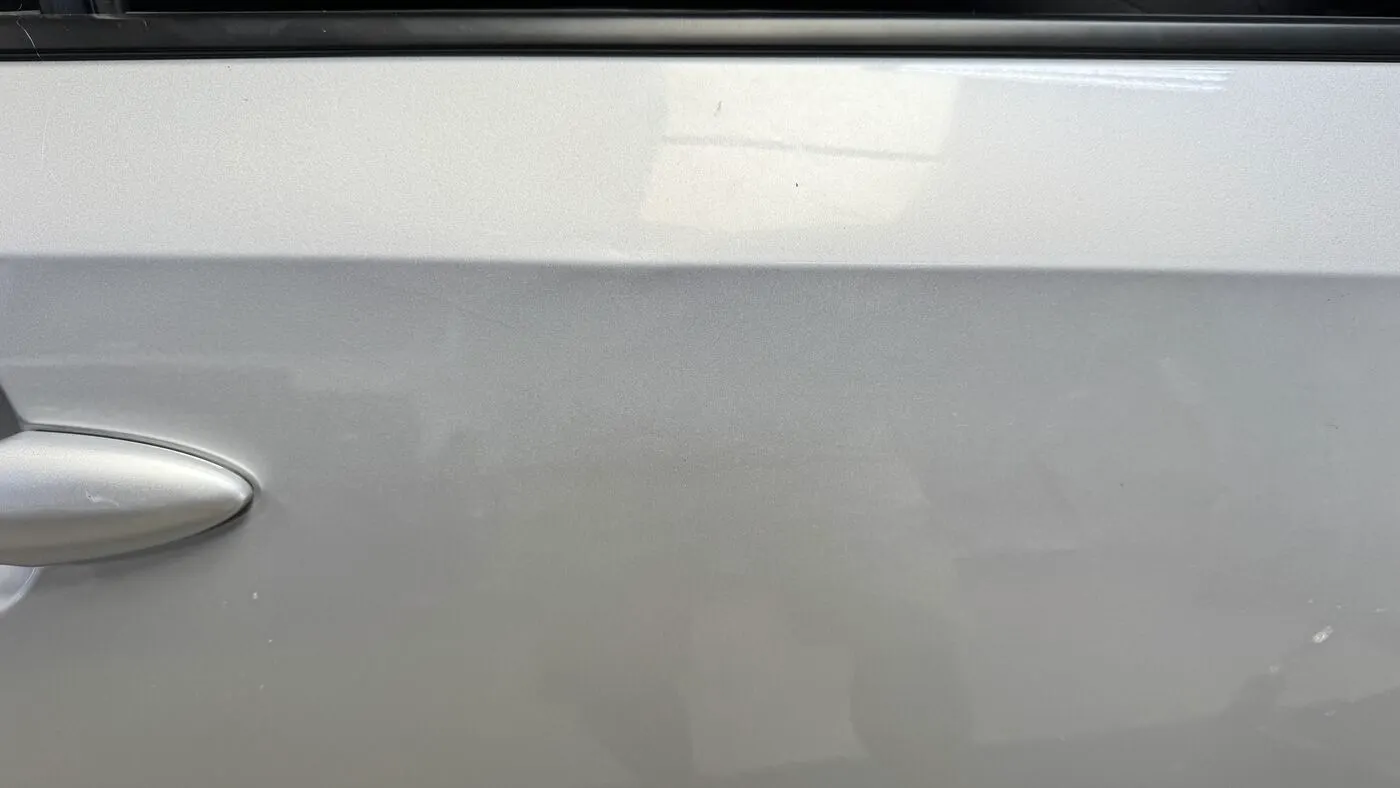
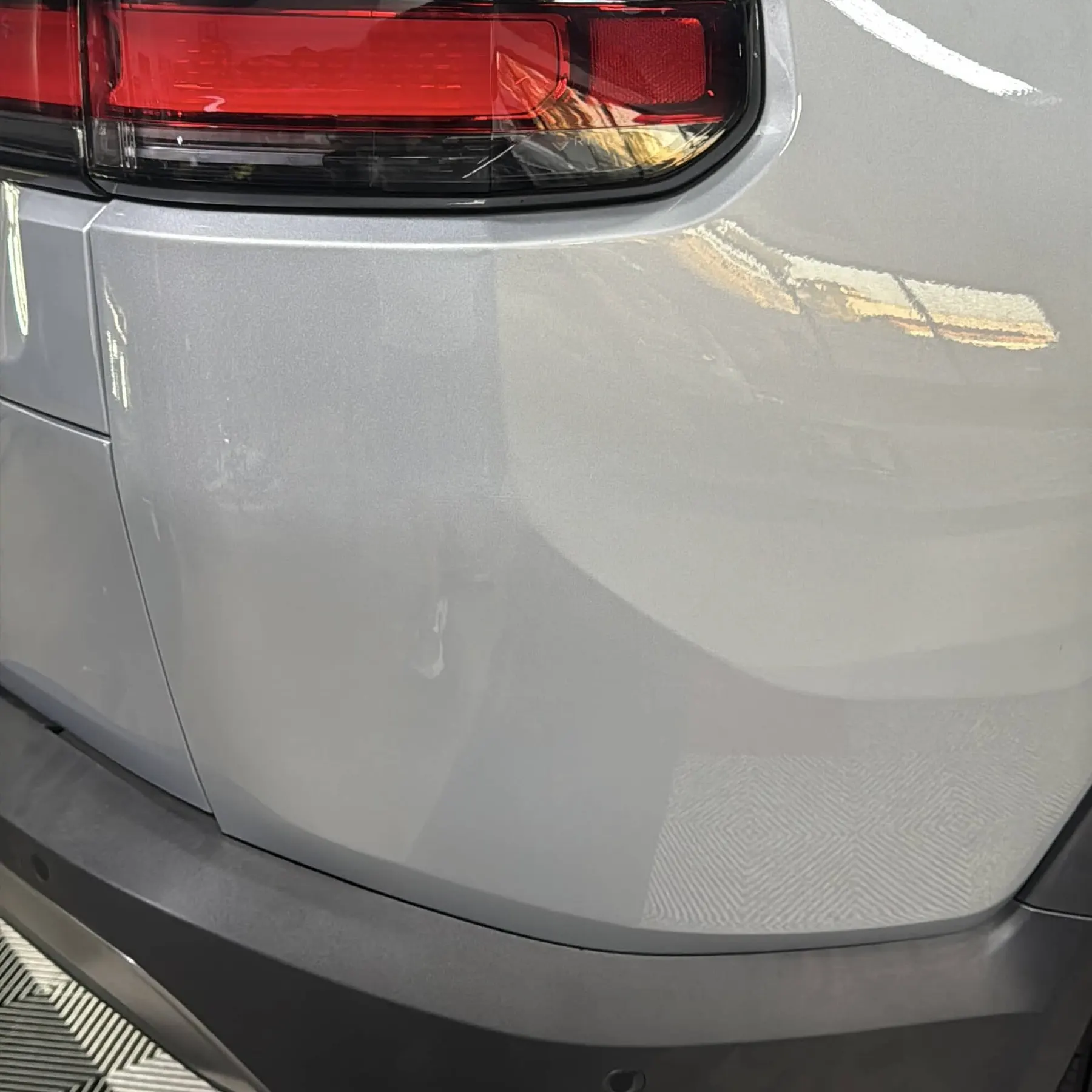
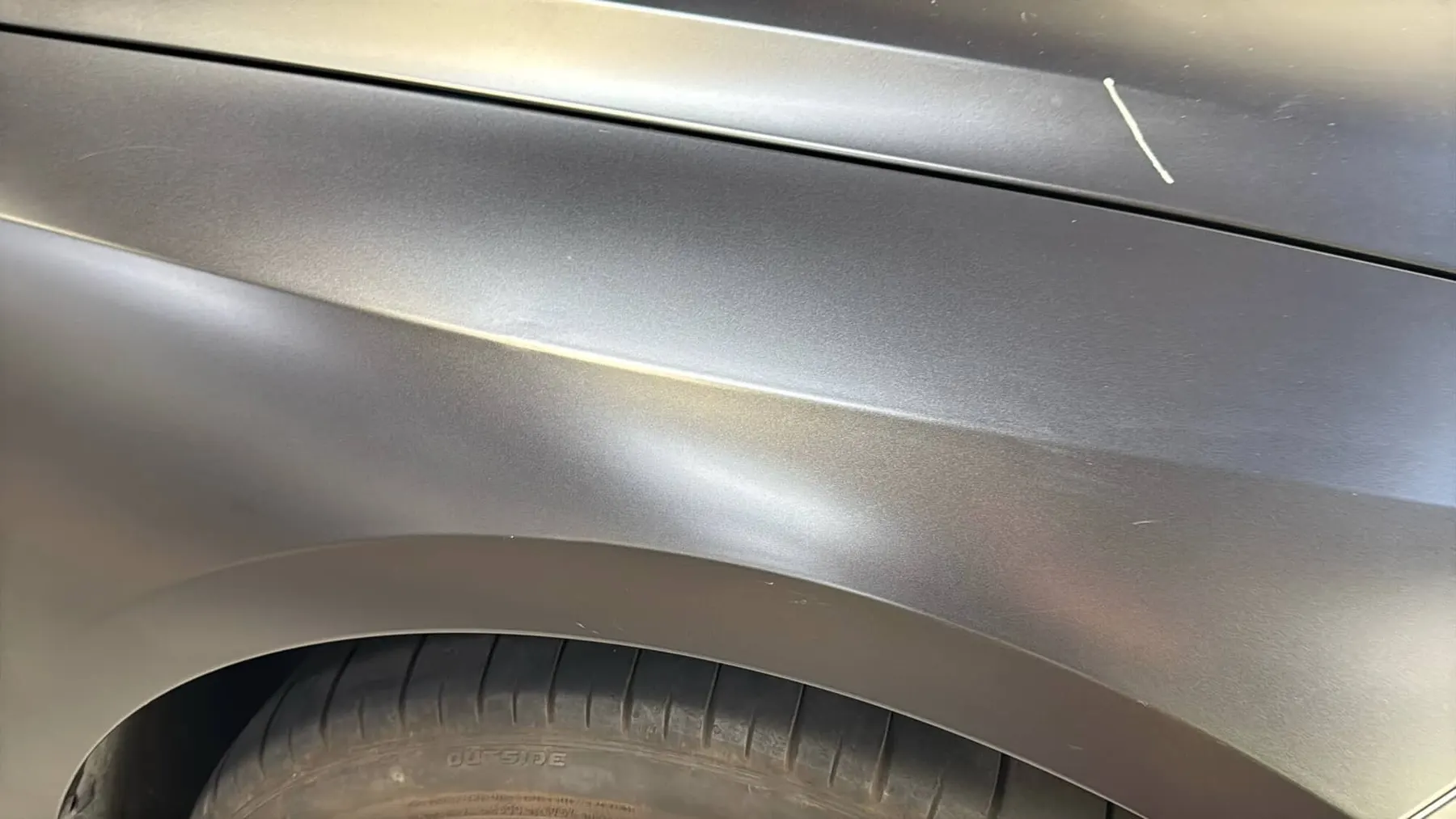
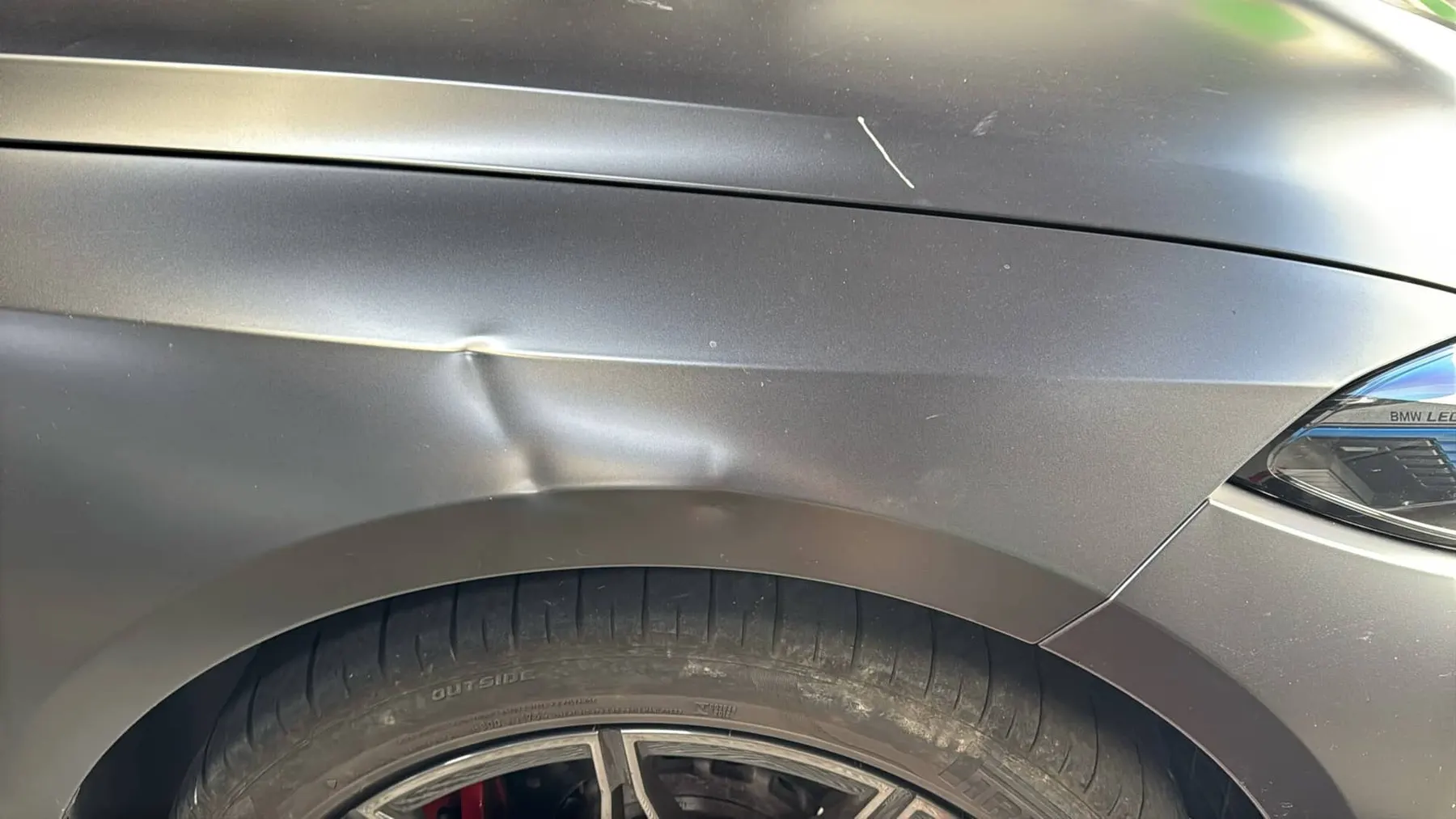
Real repairs, not stock photos. The Rivian was big enough to be worth an insurance claim, and we kept its factory paint through the whole process. The other four we fixed out of pocket on purpose, to save these clients a claim they did not need, no premium hike and nothing on the Carfax. That is the honest advice this entire page is built on. Drag any slider to see the real before and after.

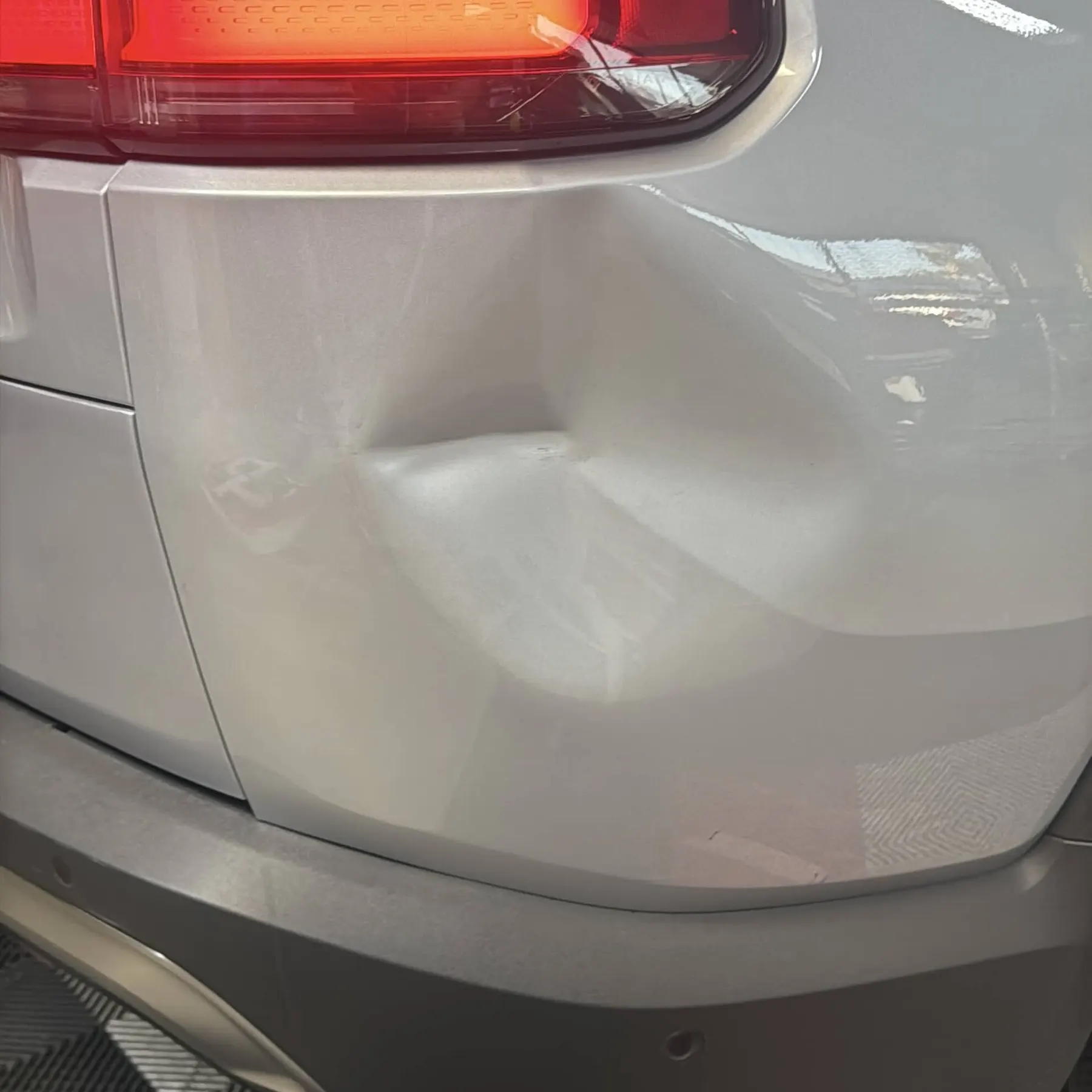
Rivian R1S rear quarter. A deep impact dent, no paint broken. Brought back to factory by hand. The kind of save an insurer would rather repaint, and the reason it pays to choose the shop yourself.


Drag any slider to compare before and after
San Diego stays dry. Cars do not. We map every dimple a storm left in another state.
We do not get hail in San Diego, but the cars do. We regularly see vehicles that caught a storm in Texas, Colorado, or the Midwest before they ever reached the coast.
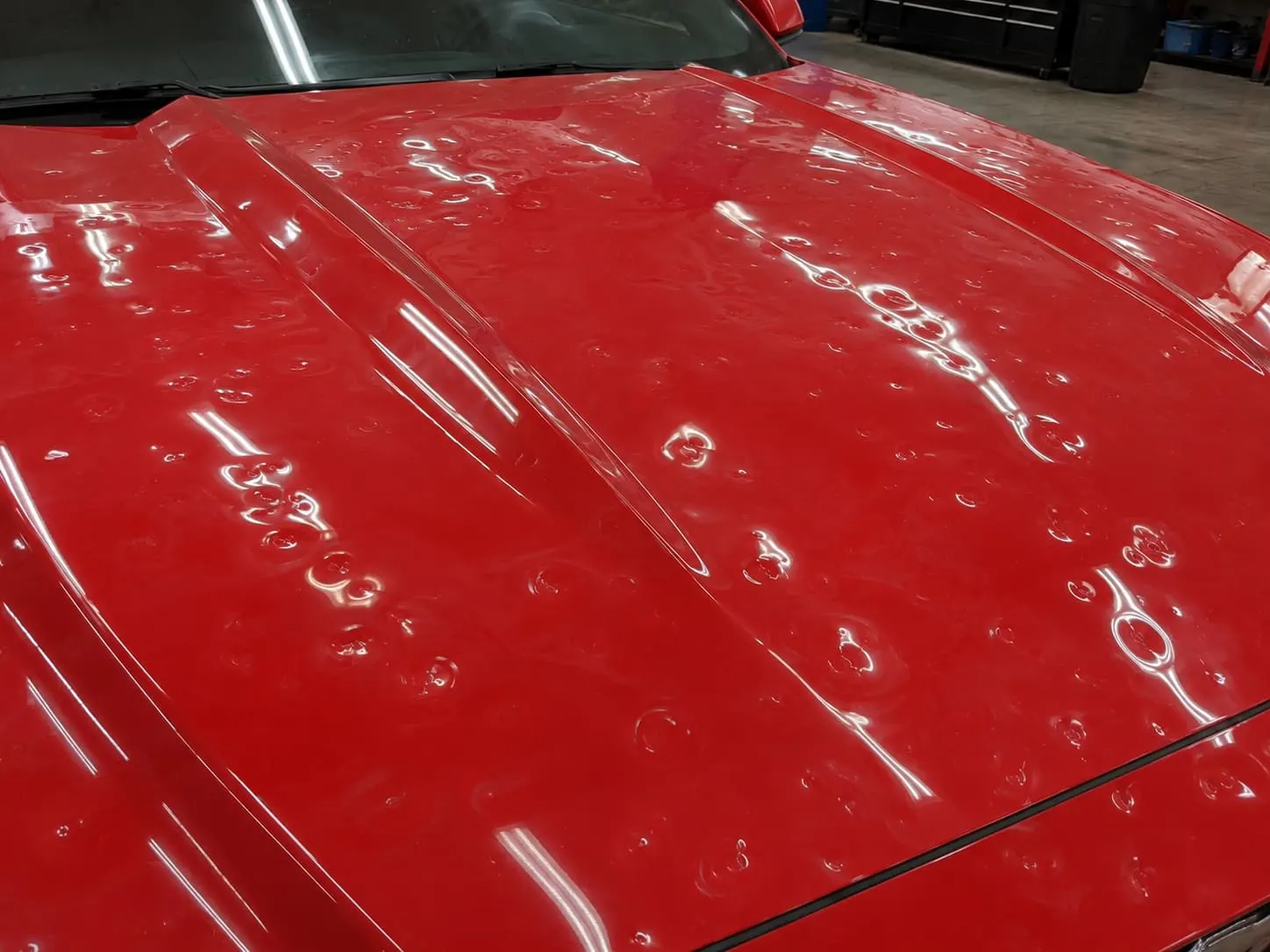
If yours arrived with a roof and a hood full of dimples, that is a textbook comprehensive claim, and it is exactly what paintless dent repair was built for. Hail rarely breaks the paint, so the factory finish is almost always still there to save.
We map every dimple for the supplement so the estimate matches the real damage, then bring the panels back to factory without a drop of paint. Hail is one of the few claims that almost always makes sense, because the count adds up fast and the bill runs from fifteen hundred dollars into the thousands.
For big-damage and hail claims, here is the entire process, plus what to bring to drop-off.
Before anything, I tell you whether the damage is even worth claiming. Size does not decide that, the number does. When the claim would cost you more than it saves, I will say so.
MinutesYou file a comprehensive or collision claim and put us down as your shop. Most carriers hand you a claim number on the call.
~10 min · You fileI inspect, photograph, and map the damage so nothing gets missed or lowballed. A thin estimate is how big repairs get shortchanged.
We handleOn-site or remote, I submit the full supplement and push to repair, not replace or repaint. The cheapest number is almost never the right one for your car.
A few days · We handleNo filler, no repaint, original paint kept. Daily progress by text so you are never left guessing where your car stands.
We workDetailed and delivered. You cover your deductible, your insurer covers the approved repair, and the factory finish is still the factory finish.
You drive awayYes. When the paint is intact, most carriers pay for PDR under comprehensive coverage (vandalism, falling objects, hail) or collision coverage (an impact). PDR is often the repair the insurer prefers, because it costs less than a repaint, and it is the one that keeps your factory finish.
Yes. PDR is a standard, insurer-approved repair. You file a comprehensive or collision claim, name Dent Time as your shop, and we handle the documentation and the adjuster from there. Choosing PDR is usually what keeps your factory paint instead of a repaint, and you are never required to use the shop your insurer recommends.
Yes, with all carriers. We document the damage, build the supplement, and meet the adjuster on-site or remotely so the approved estimate matches the real repair. You are not required to use an insurer preferred shop, and choosing your own is often what protects your factory finish.
We work the approved amount directly with your insurer and the adjuster, so you are not chasing paperwork. You cover your deductible, your carrier covers the approved repair, and we push to make sure that approval is enough to do it right instead of leaving you a balance.
It depends on the size. For damage under roughly $1,500, paying out of pocket is usually smarter once you count the deductible and the premium. For big or multi-panel damage from $1,500 to $8,000 and up, a claim can save you thousands. Use the tool on this page, then send a photo for the real read.
Then do not file. If the repair costs less than your deductible, a claim pays you nothing and still goes on your record. Pay out of pocket instead, keep your premium and your Carfax clean, and you are usually done the same or next day.
It depends on how it happened. Vandalism, falling objects, and hail are usually comprehensive claims. A dent from an impact, whether you were at fault or another driver hit you, is usually a collision claim. Comprehensive claims tend to affect your premium less, which is part of why it pays to know before you file.
Yes, vandalism and many parking-lot dents fall under comprehensive coverage. The real question is whether you should. A single door ding is usually cheaper to pay out of pocket than to claim once you count the deductible. A panel full of vandalism dents is often worth filing. Send a photo and we will tell you straight.
Often, yes. A repaint is a known number an adjuster can write fast, so it is the path of least resistance, even when the panel could be saved. We submit the documentation that proves PDR is the correct repair and push to keep your original paint.
Yes. A repaint shows on a paint-depth meter and can land on the Carfax, and refinished paint never ages quite like the factory finish next to it. Paintless dent repair leaves the original paint untouched, so the car stays factory and the value stays with it.
Diminished value is the resale value a car loses after it has been damaged and repaired, even a flawless repair, because the accident and the repaint show on the Carfax and a paint meter. On a late-model car it can run ten to twenty-five percent of value. Paintless dent repair largely avoids it, since the factory paint is never touched and, paid out of pocket, there is no claim on record. If another driver caused the damage, you may also be able to claim the diminished value from their insurer.
No. In California you have the right to choose your own repair shop. Your insurer can recommend one, but the choice is yours. Steering you to a preferred shop is against the rules, even when it is framed as a friendly recommendation, because those shops work to the insurer's prices and parts and that is often where the corners get cut.
Often not. On a steered claim the replacement is frequently aftermarket, and sometimes used, rather than factory. You can request OEM parts, but the insurer may refuse to pay the difference and stick you with the balance. Paintless dent repair avoids the issue entirely, because nothing is replaced. Your factory panel and factory paint stay on the car.
Because the insurer approves what it is willing to spend, not what the repair actually costs to do right. When the correct repair runs higher, the difference often lands on you. We document the real scope up front and push the adjuster to cover it, instead of letting the gap quietly become your bill.
A comprehensive claim, like vandalism or hail, usually affects your premium less than an at-fault collision claim. Every carrier is different. I will tell you the trade-off honestly instead of pushing you into a claim you do not need.
Yes. San Diego stays dry, but the cars do not. We regularly see vehicles that caught a storm in Texas, Colorado, or the Midwest before they reached the coast. Hail is a comprehensive claim, and mapping every dimple for the supplement is exactly what we do.
Approval usually lands in a few business days. The repair itself depends on the panel count, from a single day to several for heavy multi-panel work. We send progress updates throughout so you always know where your car stands.
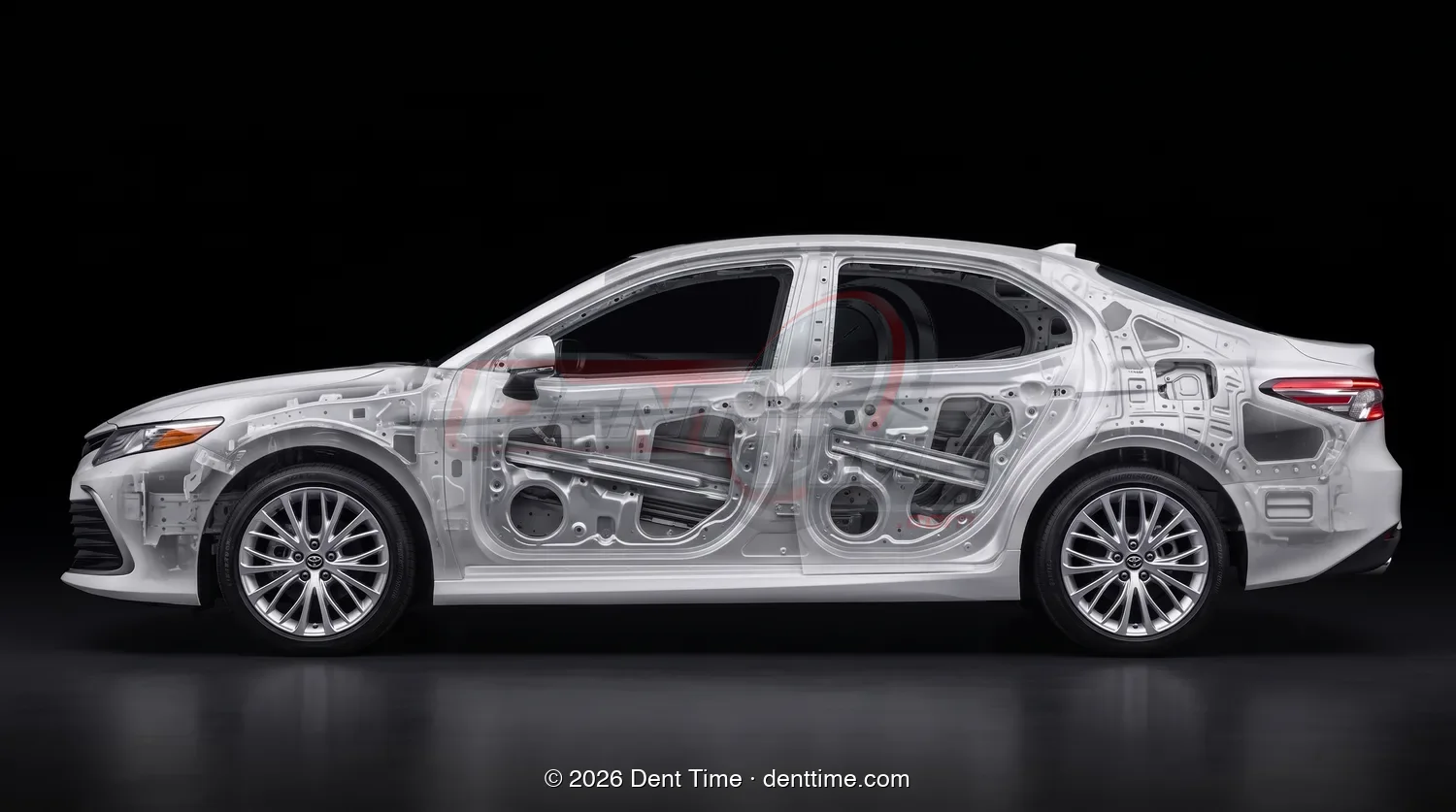
Send a photo of the damage. I will tell you whether it is worth a claim or smarter to pay out of pocket, and exactly what it takes to bring it back to factory without a repaint.